Lentils with Chorizo: A Timeless Classic with a Taste of Authentic Spain
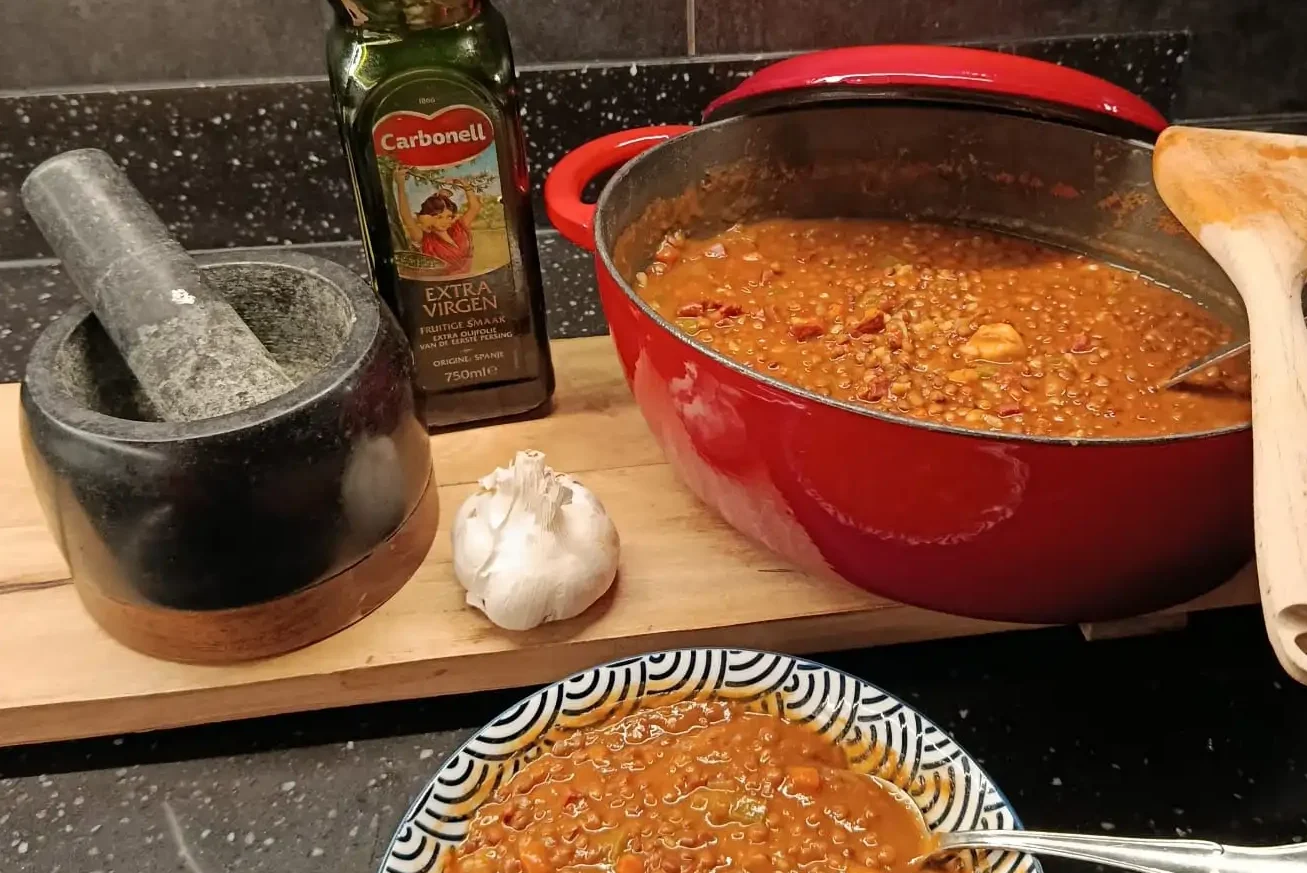
In León, cooking is more than a daily routine — it is a living heritage that tells the story of its people, its land, and its traditions. Among all the dishes that embody this culinary soul, one stands out for its honesty, warmth, and unmistakable flavour: lentils with León chorizo. At Secretos de León, we invite you to discover the essence of our region through one of its most celebrated ingredients: the León pardina lentil. A humble product that, in the right hands, becomes a dish capable of captivating any palate — from lifelong locals to curious travellers seeking an authentic taste of Spain. Nutritionally, it is a remarkable ingredient: Traditional Recipe: Lentils with León Chorizo Ingredients (Serves 4) Preparation The Perfect Pairing Pair this traditional dish with a young red wine from León, especially those made from the Prieto Picudo grape. Its fresh, vibrant character enhances the smoky depth of the chorizo and the natural sweetness of the lentils. A Dish That Crosses Borders Simple yet sophisticated, rustic yet refined — lentils with León chorizo capture the essence of honest Spanish cooking.A recipe that has nourished generations.A flavour that speaks of tradition, territory, and craftsmanship.A true Secret of León worth sharing with the world.
Cecina Halal. Amazing recipe for a soft creamy Cecina croquettes
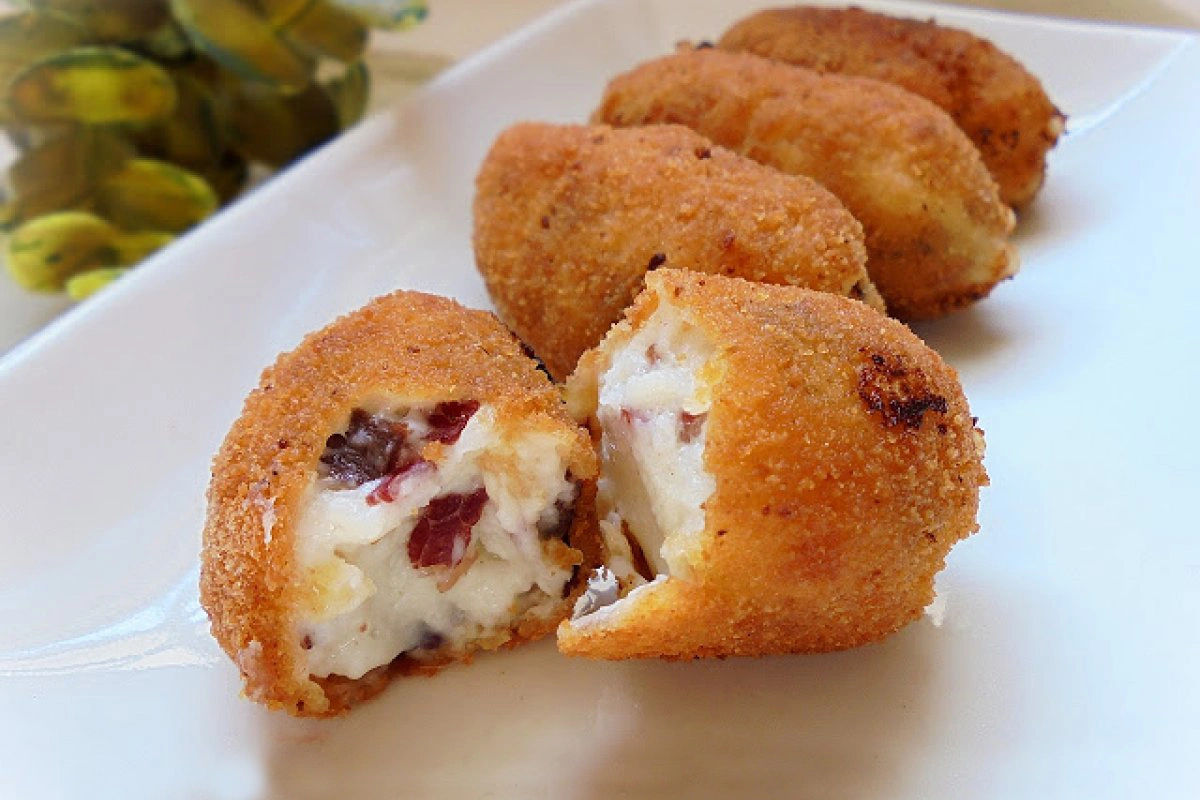
Cecina Halal croquettes a delicious spanish taste. The key to ensuring these croquettes are Halal is to verify that the cecina (cured beef) you use is Halal certified, as both the meat and the curing process must comply with Islamic requirements. Ingredients For the Béchamel For the Coating 500 ml of whole milk (or unsweetened vegetable drink) 2-3 Beaten eggs 50-70 g of Halal butter or olive oil 100 g of Wheat flour (for the initial coating) 50-70 g of wheat flour Breadcrumbs (plenty) 100-150 g of Halal Cecina (diced very small) Sunflower oil or mild olive oil for frying A pinch of Nutmeg (optional) Salt and freshly ground black pepper to taste Instructions 1. Prepare the Flavor Base 2. Prepare the Roux and Béchamel 3. Cook and Add the Cecina 4. Chill the Mixture (Crucial Step for Creaminess!) 5. Shape, Coat, and Fry
Cecina de León Halal

Hey everyone! If you’re like me, a foodie with a deep respect for cultural traditions and a commitment to halal eating, you know the thrill of uncovering hidden gems that bridge worlds. Today, I’m diving headfirst into one such treasure: Cecina de León, the legendary cured beef from the heart of Spain’s Castilla y León region. But with a twist that’s close to my heart: the halal-certified versions that make this smoky, tender delight accessible to Muslim palates worldwide. Imagine the robust flavors of aged Spanish beef meeting the purity of halal standards, it’s not just a snack, it’s a story of heritage, innovation, and pure indulgence. Buckle up, because this post is my love letter to Cecina de León halal, clocking in well over 900 words of drool-worthy details, history, tips, and recipes. Let’s slice into it! A Taste of León: What Exactly Is Cecina de León? Picture this: a slice of deep mahogany beef, so thin it’s almost translucent, with a subtle marbling that melts on your tongue. That’s Cecina de León in a nutshell or should I say, in a tapa? Unlike the more famous Jamón ibérico, cecina is beef-based, hailing exclusively from the province of León in northwest Spain. The name “Cecina” derives from the Latin sicca, meaning “dry,” nodding to its air-dried preparation. It’s earned the prestigious IGP (Indicación Geográfica Protegida) status, ensuring authenticity in production methods and sourcing. But why the Halal hype? Traditional cecina might raise eyebrows for observant Muslims due to slaughter practices and potential cross-contamination. Enter the halal revolution: Producers all around the region have stepped up, certifying their cecina through rigorous Islamic boards. This means Halal-slaughtered beef from mature cows (at least five years old, weighing over 400kg), processed without alcohol-tainted smokes or forbidden additives. The result? A 100% natural product with that signature cherry-red hue, nutty aroma, and umami punch guilt-free and divine. It’s high in protein (up to 39g per 100g), low in carbs, and packs about 240 calories per serving, making it a keto-friendly, post-Ramadan hero. In a world craving fusion foods, halal Cecina de León isn’t just compliant; it’s elevated cuisine. The Ancient Roots: A Journey Through Time and Tradition Cecina de León isn’t a modern invention, it’s woven into the fabric of Spanish history, dating back to the Middle Ages. Legend has it that during the Reconquista (the Christian kingdoms’ push against Muslim rule in Iberia), León’s high-altitude pastures birthed this preservation method. Farmers needed a way to store beef through harsh winters, so they turned to salting, smoking, and drying techniques borrowed from Roman and even Moorish influences. By the 12th century, cecina was a staple for pilgrims on the Camino de Santiago, fueling treks with its portable, nutrient-dense power. Fast-forward to today, and León’s maragatos (a semi-nomadic ethnic group) are the unsung heroes. These folks, with their distinctive white attire and entrepreneurial spirit, turned cecina into an export powerhouse. The IGP designation in 2002 locked in the rules: Only beef from approved breeds like Rubia Gallega or Avileña, raised in León’s crisp, clean air. The process demands patience up to 10 months of curing in natural drying sheds (secaderos) exposed to mountain breezes. Now, the Halal angle adds a poetic layer. Spain’s Al-Andalus era (711-1492) saw Muslims introducing advanced meat-curing tech, like controlled fermentation. Modern Halal producers honor this by partnering with certified abattoirs, ensuring dhabīḥah (ritual slaughter) from start to finish. Brands like Secretos de León’s Halal Beef Cecina exemplify this: Sourced from halal-farmed cattle, smoked with pure oak (no booze-infused woods), and certified by the Islamic Board of Spain. It’s a nod to shared culinary DNA proving that history doesn’t divide; it unites. In 2025, with global halal markets booming (projected at $3 trillion by 2030), Cecina de León halal is riding the wave, exporting to the UAE, Indonesia, and beyond. Who knew a humble cured beef could be such a cultural ambassador? From Pasture to Plate: The Art of Crafting Halal Cecina Ever wondered how a juicy hunk of beef transforms into silky cecina? It’s alchemy meets devotion, especially in halal form. The journey starts with selection: Prime cuts from the hindquarters sirloin (tapa), center leg, round (babilla), or stifle (cola de cadera) from grass-fed cows grazing León’s highlands. These beasts live stress-free lives, aligning with Halal’s emphasis on humane treatment. Step one: Salting. The meat is rubbed with sea salt (up to 2.5% of its weight) and left for 3-4 days in cool chambers. This draws out moisture, inhibiting bacteriam nature’s preservative. For halal purity, no iodized salts or additives sneak in. Next, the wash: A gentle rinse in water or weak wine vinegar (vinegar’s Halal if naturally fermented, but many skip it for tea infusions to stay ultra-compliant). Then, the magic: Smoking over beech or oak wood for 2-3 days at low temps (below 20°C). This imparts that signature subtle smokiness without overpowering the beef’s essence. Halal versions double-down on wood sourcing sustainable, chemical-free logs only. Finally, air-drying in ventilated lofts for 6-11 months, depending on the cut. The mountain air (average humidity 60-70%) works wonders, concentrating flavors while trimming fat to a whisper (just 7-9g per 100g). The end product? Boneless, dark-hued slabs weighing 3-7kg, ready for slicing. Premium halal options 18-month cure, hit notes of earth, pepper, and faint sweetness. It’s labor-intensive only 1kg of finished cecina from 4kg raw beefbut oh, the payoff! Fuel for the Soul and Body: Nutritional Powerhouse Beyond taste, Halal Cecina de León is a nutritional knockout. Per 100g: 240-300 kcal, 30-39g protein (ideal for muscle repair), 7-9.5g fat (mostly unsaturated), and negligible carbs (<1g). It’s richer in iron and B12 than pork charcuterie, combating anemia common in iftar feasts. Zinc boosts immunity, while low sodium variants (post-IGP tweaks) suit heart-healthy diets. Compared to jerky? Cecina’s slower cure preserves more enzymes, making it easier to digest. For Halal eaters, it’s a protein pivot from chicken, diverse, satisfying, and story-laden. A 50g serving (125 calories) powers your day without the crash.
The Secrets of León: Tradition, Salt and Mountain Air

Hidden in the northern heart of Spain, surrounded by mountains and steeped in centuries of history, lies León a land where stone cathedrals touch the sky and ancient traditions continue to shape daily life.This region, known for its Roman past and medieval charm, is also home to one of Spain’s most treasured culinary legacies: the art of curing meats, a practice that blends time, nature, and human craftsmanship into something truly unique. At Secretos de León, we bring this heritage to life through our carefully crafted embutidos, cured meats such as cecina, jamón serrano, lomo curado, chorizo, and salchichón. Each slice tells a story that began long before refrigeration or modern preservation existed, a story written in salt, smoke, and mountain air. The Origins of Curing: When Necessity Became Art Centuries ago, before electricity and cold storage, preserving meat was a matter of survival. In rural León, winters were long and harsh, and farmers needed to make sure that the animals raised during the warmer months could feed the family all year round. The answer was found in the simplest and most abundant of ingredients: salt.By rubbing fresh meat with coarse mountain salt and letting it rest for several days, sometimes weeks, the people of León discovered a powerful transformation. The salt drew out moisture, slowed bacterial growth, and infused the meat with a subtle, complex flavor that deepened over time. This process, called salazón (salting or curing), was more than just a preservation technique; it became a culinary tradition. Over generations, families refined it, learning how different meats, thicknesses, and climates affected the result. Out of necessity, a craft was born one that would later become a symbol of regional identity. Why León Became the Perfect Place to Cure Meat León’s geography and climate are a gift to artisans. Nestled between the Cantabrian Mountains to the north and the Castilian Plateau to the south, the region enjoys a unique combination of cold winters, dry air, and gentle mountain breezes. These natural conditions create an ideal environment for curing meat slowly and safely. In winter, the cold prevents spoilage, while the dry air helps the salt penetrate evenly, drawing out just the right amount of moisture. Spring then brings mild temperatures that allow the meat to continue maturing, developing its characteristic texture and aroma. In the highlands and valleys of León, this cycle repeats year after year, a rhythm as old as the land itself. And it’s this environment that gives León’s embutidos their distinctive taste: clean, pure, and deeply aromatic. Cecina de León: Air-Dried Beef, Pure and Noble Perhaps the most iconic product of the region is Cecina de León, a delicacy so refined that it carries its own Protected Geographical Indication (PGI) under European law. Cecina is made from the finest cuts of beef, traditionally from the hind leg. After trimming, the meat is salted, washed, and left to rest, allowing the salt to penetrate deep into the fibers. Then comes the drying and smoking stage, a slow process that can last several months. During this time, the cecina is exposed to the cold, dry air of León’s mountains, often lightly smoked with oak wood. The result is a deep red meat with a silky texture and a flavor that balances saltiness with natural sweetness, a taste that speaks of patience, precision, and purity. Unlike other cured meats, cecina is unique because it uses beef instead of pork, a reflection of León’s pastoral traditions and the abundance of cattle in its fertile valleys. Jamón Serrano: The Taste of Spanish Heritage Another jewel of León’s gastronomy is Jamón Serrano, literally meaning “mountain ham.” As the name suggests, it owes much of its excellence to the altitude and dry air of mountain regions like León. The process begins with carefully selected pork legs, which are covered in salt and left to cure for several weeks. The salt not only removes moisture but also enhances natural enzymes that develop flavor over time. After washing and resting, the hams are hung in cool, ventilated cellars where they slowly age, sometimes for more than a year. This is where magic happens: the texture becomes tender yet firm, and the flavor turns nutty, rich, and slightly sweet. Each jamón reflects the balance between human care and nature’s pace. No machines rush it; time is the true artisan. Lomo Curado: The Hidden Gem of León’s Cured Meats While jamón often takes the spotlight, true connoisseurs know the elegance of Lomo Curado, a cured pork loin that rivals the finest charcuterie in the world. Unlike jamón, which comes from the leg, lomo is made from the lean, tender part along the pig’s back. It is seasoned with salt, garlic, and paprika, a nod to the region’s love for warm, earthy flavors then carefully air-dried for several weeks. The result is a smooth, marbled cut with delicate flavors and a melt-in-your-mouth texture. It’s less fatty than ham, yet equally complex, a perfect example of León’s mastery of balance between seasoning and simplicity. The Role of Garlic and Salt: Natural Preservation and Flavor If salt was the foundation of preservation, garlic was its faithful companion.For centuries, both chorizo and salchichón, two of Spain’s most beloved sausages, have been seasoned with salt, garlic, and natural spices, not only for taste but also for their antibacterial and preservative properties. Garlic contains compounds such as allicin, which act as natural antimicrobials, helping to prevent the growth of bacteria during the curing process. Combined with salt, it ensured that the meat would stay safe and edible for months, even without refrigeration. Over time, what began as a practical necessity evolved into a signature of flavor. The warm, slightly pungent aroma of garlic became inseparable from Spanish cured sausages, giving them their distinctive taste and identity. Chorizo: The Spirit of Paprika When paprika (pimentón) was introduced to Spain in the 16th century, León’s artisans embraced it eagerly. Mixed with garlic, salt, and high-quality pork, it gave birth to chorizo, a sausage that
