
No products in the cart.
In León, cooking is more than a daily routine — it is a living heritage...
Hey everyone! If you’re like me, a foodie with a deep respect for cultural traditions and a commitment to halal eating, you know the thrill of uncovering hidden gems that bridge worlds. Today, I’m diving headfirst into one such treasure: Cecina de León, the legendary cured beef from the heart of Spain’s Castilla y León region. But with a twist that’s close to my heart: the halal-certified versions that make this smoky, tender delight accessible to Muslim palates worldwide. Imagine the robust flavors of aged Spanish beef meeting the purity of halal standards, it’s not just a snack, it’s a story of heritage, innovation, and pure indulgence. Buckle up, because this post is my love letter to Cecina de León halal, clocking in well over 900 words of drool-worthy details, history, tips, and recipes. Let’s slice into it!
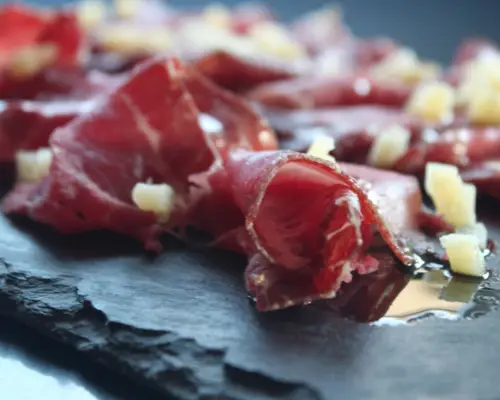
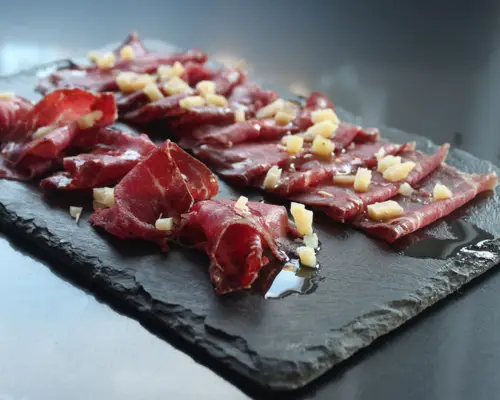
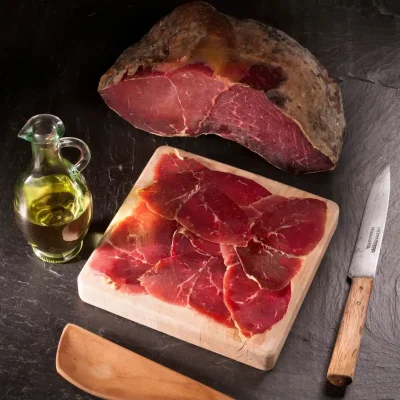
Picture this: a slice of deep mahogany beef, so thin it’s almost translucent, with a subtle marbling that melts on your tongue. That’s Cecina de León in a nutshell or should I say, in a tapa? Unlike the more famous Jamón ibérico, cecina is beef-based, hailing exclusively from the province of León in northwest Spain. The name “Cecina” derives from the Latin sicca, meaning “dry,” nodding to its air-dried preparation. It’s earned the prestigious IGP (Indicación Geográfica Protegida) status, ensuring authenticity in production methods and sourcing.
But why the Halal hype? Traditional cecina might raise eyebrows for observant Muslims due to slaughter practices and potential cross-contamination. Enter the halal revolution: Producers all around the region have stepped up, certifying their cecina through rigorous Islamic boards. This means Halal-slaughtered beef from mature cows (at least five years old, weighing over 400kg), processed without alcohol-tainted smokes or forbidden additives.
The result? A 100% natural product with that signature cherry-red hue, nutty aroma, and umami punch guilt-free and divine. It’s high in protein (up to 39g per 100g), low in carbs, and packs about 240 calories per serving, making it a keto-friendly, post-Ramadan hero. In a world craving fusion foods, halal Cecina de León isn’t just compliant; it’s elevated cuisine.
Cecina de León isn’t a modern invention, it’s woven into the fabric of Spanish history, dating back to the Middle Ages. Legend has it that during the Reconquista (the Christian kingdoms’ push against Muslim rule in Iberia), León’s high-altitude pastures birthed this preservation method. Farmers needed a way to store beef through harsh winters, so they turned to salting, smoking, and drying techniques borrowed from Roman and even Moorish influences. By the 12th century, cecina was a staple for pilgrims on the Camino de Santiago, fueling treks with its portable, nutrient-dense power.
Fast-forward to today, and León’s maragatos (a semi-nomadic ethnic group) are the unsung heroes. These folks, with their distinctive white attire and entrepreneurial spirit, turned cecina into an export powerhouse. The IGP designation in 2002 locked in the rules: Only beef from approved breeds like Rubia Gallega or Avileña, raised in León’s crisp, clean air. The process demands patience up to 10 months of curing in natural drying sheds (secaderos) exposed to mountain breezes.
Now, the Halal angle adds a poetic layer. Spain’s Al-Andalus era (711-1492) saw Muslims introducing advanced meat-curing tech, like controlled fermentation. Modern Halal producers honor this by partnering with certified abattoirs, ensuring dhabīḥah (ritual slaughter) from start to finish. Brands like Secretos de León’s Halal Beef Cecina exemplify this: Sourced from halal-farmed cattle, smoked with pure oak (no booze-infused woods), and certified by the Islamic Board of Spain. It’s a nod to shared culinary DNA proving that history doesn’t divide; it unites. In 2025, with global halal markets booming (projected at $3 trillion by 2030), Cecina de León halal is riding the wave, exporting to the UAE, Indonesia, and beyond. Who knew a humble cured beef could be such a cultural ambassador?
Ever wondered how a juicy hunk of beef transforms into silky cecina? It’s alchemy meets devotion, especially in halal form. The journey starts with selection: Prime cuts from the hindquarters sirloin (tapa), center leg, round (babilla), or stifle (cola de cadera) from grass-fed cows grazing León’s highlands. These beasts live stress-free lives, aligning with Halal’s emphasis on humane treatment.
Step one: Salting. The meat is rubbed with sea salt (up to 2.5% of its weight) and left for 3-4 days in cool chambers. This draws out moisture, inhibiting bacteriam nature’s preservative. For halal purity, no iodized salts or additives sneak in.
Next, the wash: A gentle rinse in water or weak wine vinegar (vinegar’s Halal if naturally fermented, but many skip it for tea infusions to stay ultra-compliant). Then, the magic: Smoking over beech or oak wood for 2-3 days at low temps (below 20°C). This imparts that signature subtle smokiness without overpowering the beef’s essence. Halal versions double-down on wood sourcing sustainable, chemical-free logs only.
Finally, air-drying in ventilated lofts for 6-11 months, depending on the cut. The mountain air (average humidity 60-70%) works wonders, concentrating flavors while trimming fat to a whisper (just 7-9g per 100g). The end product? Boneless, dark-hued slabs weighing 3-7kg, ready for slicing. Premium halal options 18-month cure, hit notes of earth, pepper, and faint sweetness. It’s labor-intensive only 1kg of finished cecina from 4kg raw beefbut oh, the payoff!
Beyond taste, Halal Cecina de León is a nutritional knockout. Per 100g: 240-300 kcal, 30-39g protein (ideal for muscle repair), 7-9.5g fat (mostly unsaturated), and negligible carbs (<1g). It’s richer in iron and B12 than pork charcuterie, combating anemia common in iftar feasts. Zinc boosts immunity, while low sodium variants (post-IGP tweaks) suit heart-healthy diets. Compared to jerky? Cecina’s slower cure preserves more enzymes, making it easier to digest. For Halal eaters, it’s a protein pivot from chicken, diverse, satisfying, and story-laden. A 50g serving (125 calories) powers your day without the crash.
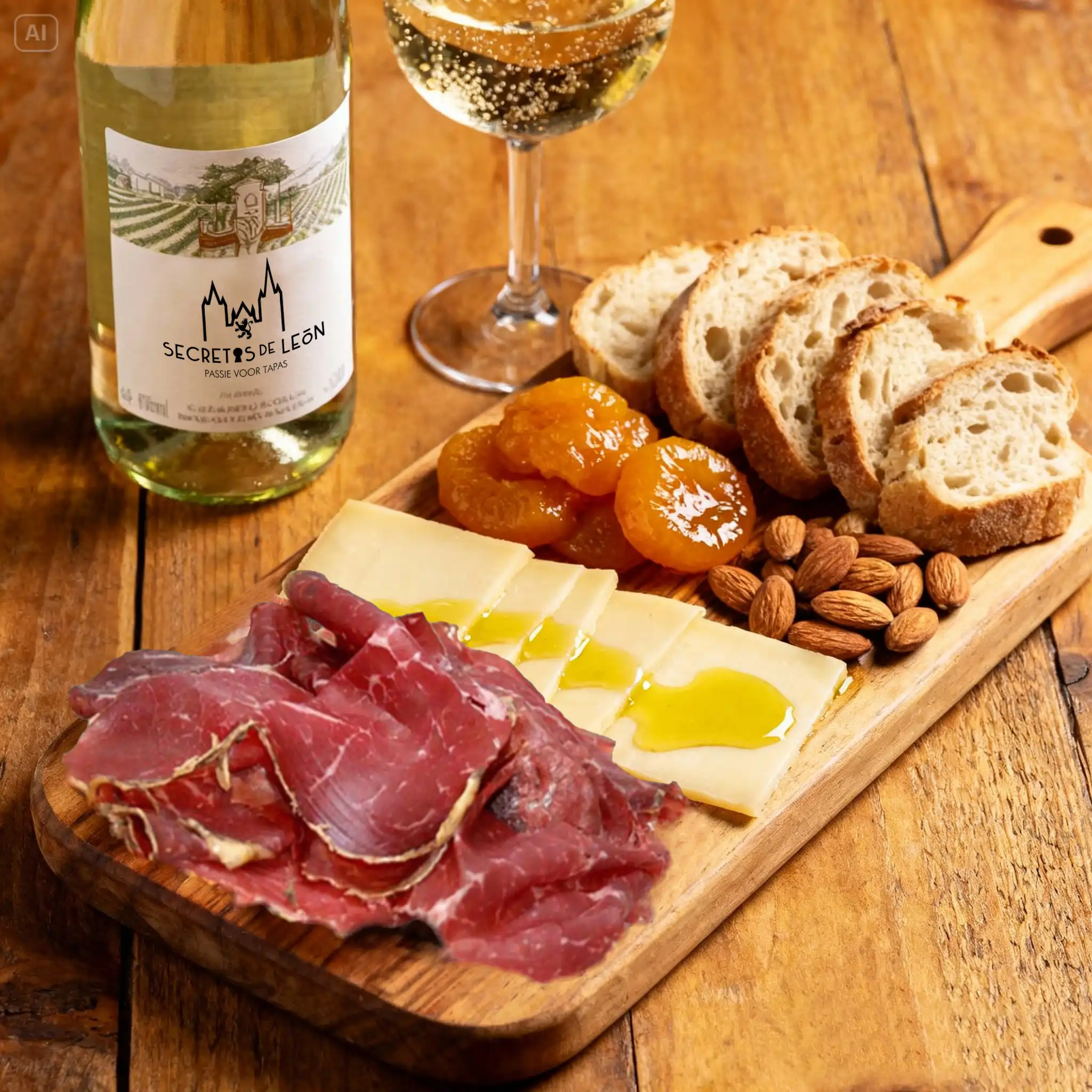
Alright, theory’s done, time to eat! Cecina de León shines sliced paper-thin on a mandoline. Start simple: Classic Tapas Board. Layer 50g shaved cecina with Manchego cheese, quince paste, and crusty bread. Drizzle olive oil, add Marcona almonds. Pair with a crisp Albariño white, non-alcoholic sparkling cider for halal vibes. Serves 4, ready in 10 mins.
For dinner: Cecina-Stuffed Peppers. Halve bell peppers, roast lightly. Stuff with crumbled 100g cecina, quinoa, feta (or vegan halal cheese), and herbs. Bake 15 mins at 180°C. Nutty beef elevates the earthiness serves 2, 350 cal each.
Innovative?
Cecina Salad Niçoise. Toss romaine, cherry tomatoes, olives, boiled eggs, and 75g cecina ribbons with lemon-tahini dressing. It’s fresh, zesty, and under 400 cal.
Adventurous?
Cecina Croquetas. Shred 200g cecina, mix with béchamel (Halal butter), roll in breadcrumbs, fry golden. Dip in aioli or Pineaple Chutney. Crispy outside, melty inside party pleaser!
Beverage-wise: Rosemary-infused sparkling water or hibiscus tea cuts the richness. In León, locals wash it down with castaña (chestnut liqueur) swap for date syrup mocktails. Experiment: Grill slices for fajitas with halal beef vibes, or wrap in lettuce for low-carb tacos. The leanness means it plays nice with bold spices harissa for Moroccan fusion, anyone?
In León, cooking is more than a daily routine — it is a living heritage...
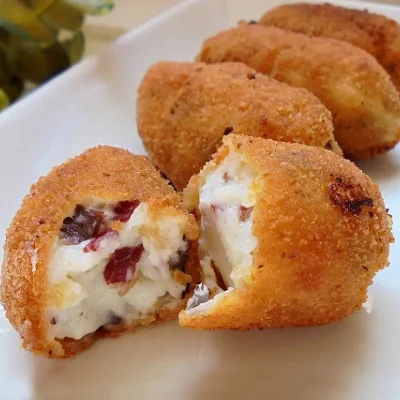
Cecina Halal croquettes a delicious spanish taste. The key to ensuring these croquettes are Halal...
Hey everyone! If you’re like me, a foodie with a deep respect for cultural traditions...

Hidden in the northern heart of Spain, surrounded by mountains and steeped in centuries of...
