
No products in the cart.
In León, cooking is more than a daily routine — it is a living heritage...
Few culinary products embody the spirit of a nation as profoundly as Jamón Ibérico, or Iberian ham. Often called “Spain’s national treasure,” this delicacy represents centuries of tradition, a harmony between nature and craftsmanship, and a gastronomic experience that delights palates worldwide. To understand Iberian ham is to explore a world where culture, history, geography, and gastronomy converge into one thin, melt-in-the-mouth slice.
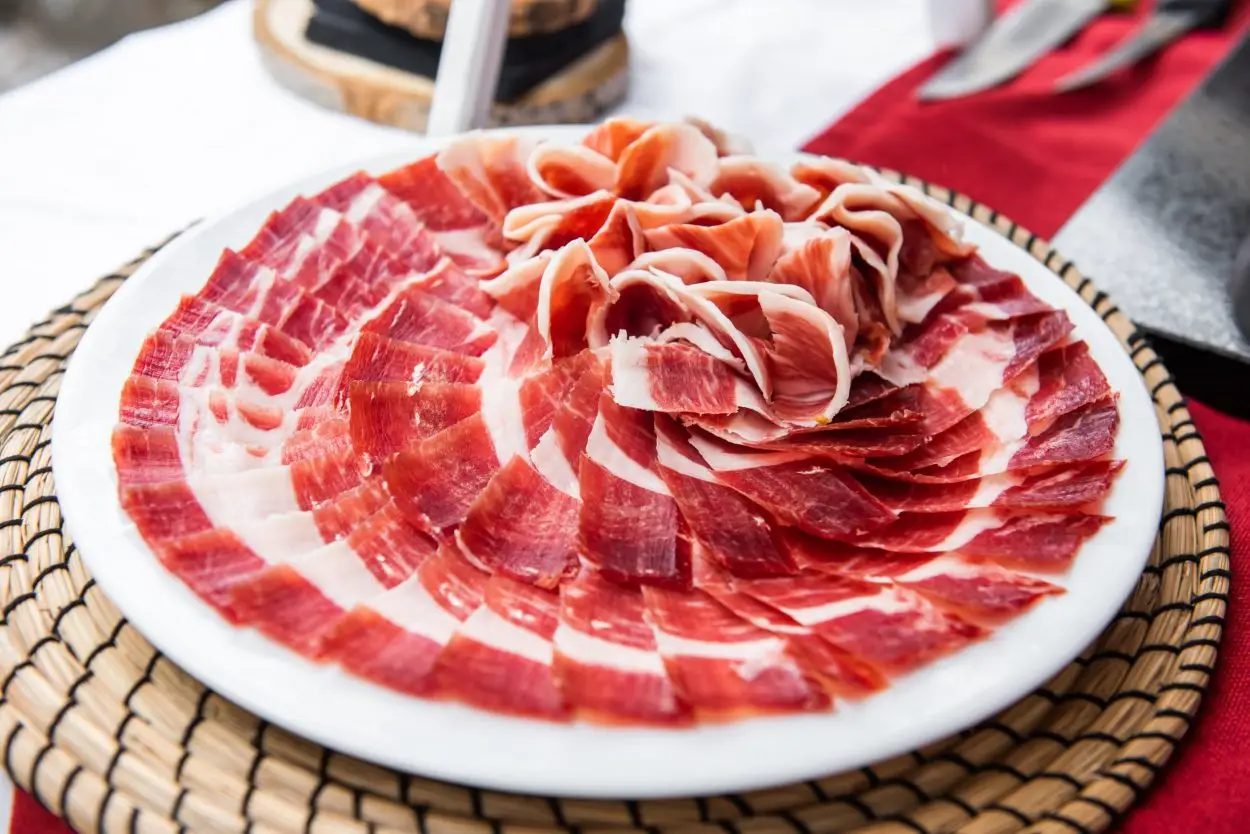
At its simplest, Iberico ham is a type of cured meat made from the hind legs of the Iberian pig, a breed native to the Iberian Peninsula, which includes Spain and Portugal. Unlike regular ham, its uniqueness lies in both the animal itself and the long, careful curing process. The Iberian pig has a genetic trait that allows it to store fat within its muscle fibers, creating the signature marbling that gives the ham its rich, buttery texture and complex flavor.
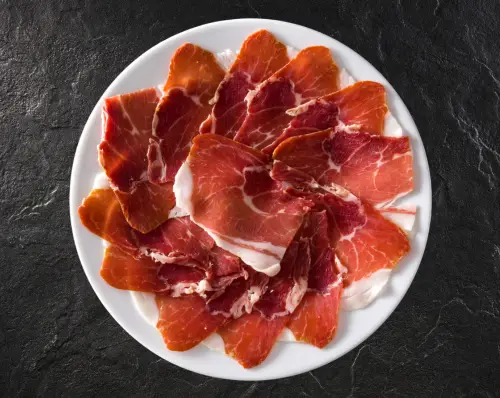
Jamón Ibérico is not to be confused with Jamón Serrano, which is made from white pig breeds like Duroc or Landrace. While Serrano is tasty and widely consumed, Iberian ham is considered a luxury product, often commanding high prices on the international market.
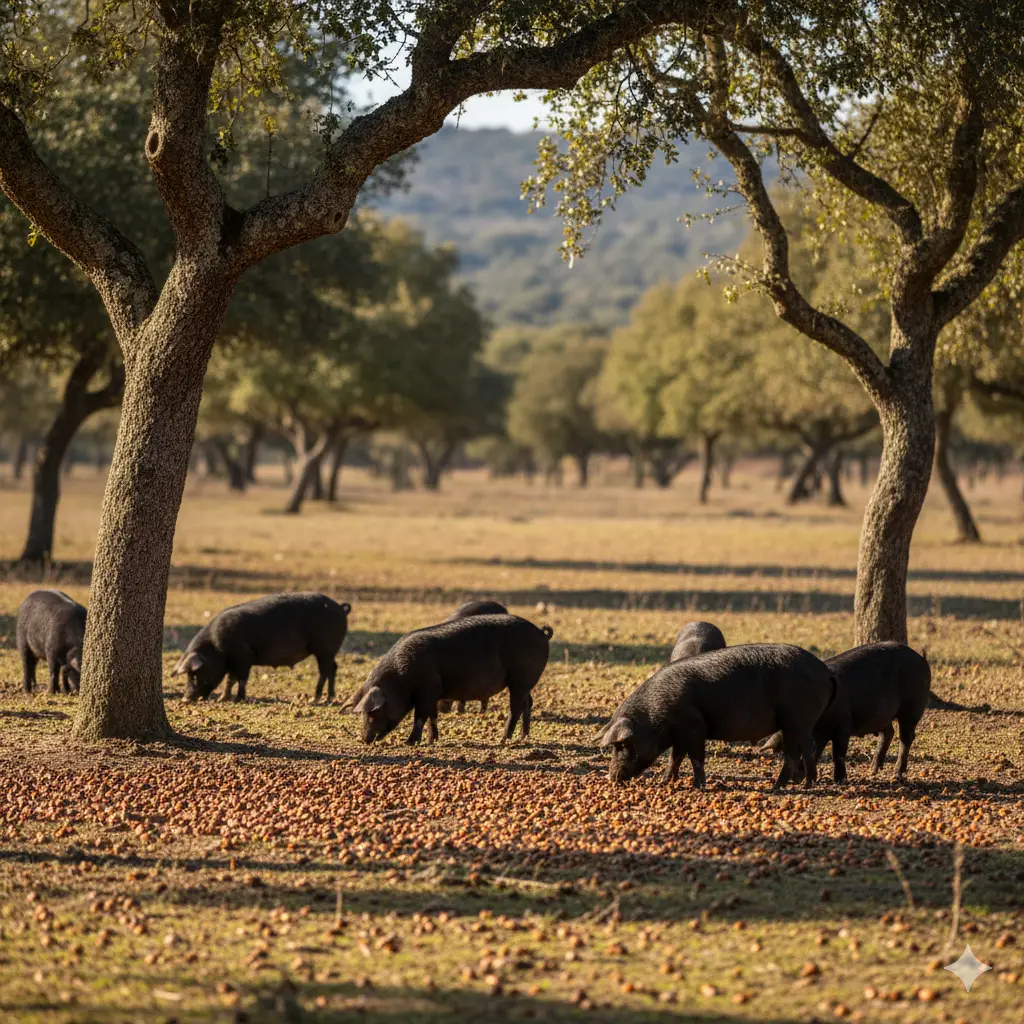
The true star of Iberian ham is the pig itself. These animals are usually black or dark in color, with slender legs and long snouts. But what makes them special is their ability to metabolize fat in such a way that it infiltrates the muscle, producing a marbling effect reminiscent of the finest Kobe beef.
The diet of these pigs is also central to the final product. Particularly prized are pigs that roam freely in oak forests—known as dehesas—feeding on acorns (bellotas), herbs, and natural grasses. This acorn-rich diet contributes to the nutty, aromatic flavor that distinguishes the best grades of Jamón Ibérico.
Not all Iberian hams are created equal. To ensure transparency and protect consumers, Spain has established a labeling system that classifies Iberian ham according to the pig’s breed purity and diet. There are four main categories, often indicated by colored tags:
One of the secrets of Iberian ham’s excellence lies in its curing process. After the pigs are slaughtered, their hind legs are salted to draw out moisture and preserve the meat. This salting period usually lasts about two weeks, depending on the size of the leg.
The legs are then washed, shaped, and hung in curing cellars, where they undergo a long maturation process that can last from two to five years. These curing cellars mimic natural conditions, with fluctuations in temperature and humidity that slowly transform the meat.
Over time, enzymes break down proteins and fats, developing the ham’s signature flavors and aromas. The end result is a complex taste experience that combines sweetness, nuttiness, saltiness, and umami, with a silky texture that almost dissolves on the tongue.
Jamón Ibérico is more than food; it is part of Spain’s cultural identity. Historical records suggest that cured hams were consumed in the Iberian Peninsula since Roman times, with references appearing in classical texts. Over centuries, the tradition of pig farming and ham curing became deeply intertwined with Spanish rural life.
The dehesa ecosystem itself is a cultural landscape—an oak-studded pastureland that supports not only pigs but also cattle, sheep, and a wealth of biodiversity. Farmers and artisans work hand-in-hand to preserve these traditions, ensuring the survival of both the ecosystem and the gastronomic heritage.
In Spanish social life, Jamón Ibérico often takes center stage at family gatherings, festive occasions, and tapas bars. A leg of ham mounted on a jamonero (ham stand) is sliced into wafer-thin pieces by a skilled carver, an art form in itself. Watching a master “cortador de jamón” is like witnessing a performance, where each cut is precise and deliberate to maximize flavor and texture.
The flavor of Iberian ham is difficult to describe in simple terms because it evolves with every bite. Initially, you may notice a delicate nuttiness, followed by savory depth, subtle sweetness, and a lingering aftertaste. The fat melts at body temperature, releasing aromatic compounds that flood the senses.
For pairings, Jamón Ibérico works beautifully with Spanish wines, particularly fino sherry, manzanilla, or Rioja reds. The salt and fat of the ham balance well with the acidity and tannins of the wine. It also pairs with simple accompaniments like fresh bread, Manchego cheese, or even ripe tomatoes drizzled with olive oil.
Because of its prestige, Jamón Ibérico is one of Spain’s most valuable exports. The strict regulations and long production times mean supply is limited, driving high prices. In international markets, a whole leg of top-grade Jamón Ibérico de Bellota can cost thousands of dollars.
Despite its luxury status, demand continues to grow worldwide, particularly in gourmet markets across Europe, the United States, and Asia. This has helped preserve rural economies in Spain, where traditional pig farming and ham curing remain vital livelihoods.
Jamón Ibérico represents the epitome of Spanish gastronomy: respect for tradition, careful craftsmanship, and a deep connection to the land. Each slice tells a story—not just of the pig that roamed the dehesa, but of the farmers, artisans, and families who have passed down their knowledge for generations.
For food lovers, tasting Iberian ham is more than eating cured meat; it is a sensory journey through Spain’s history, culture, and natural landscapes. Whether enjoyed in a bustling tapas bar in Madrid, a rustic tavern in Andalusia, or a fine dining restaurant abroad, Iberian ham remains a symbol of culinary artistry that continues to captivate the world.
With its centuries-old tradition, meticulous production process, and unrivaled flavor, Jamón Ibérico stands as one of the world’s greatest culinary treasures. It is more than a delicacy—it is a cultural icon, an ambassador of Spanish identity, and a testament to how deeply food can connect us to history and place.
Next time you encounter a plate of thinly sliced Jamón Ibérico, take a moment to savor not just the taste, but also the story behind it: the oak forests, the acorns, the pigs, the artisans, and the generations of tradition that converge in every bite.
In León, cooking is more than a daily routine — it is a living heritage...
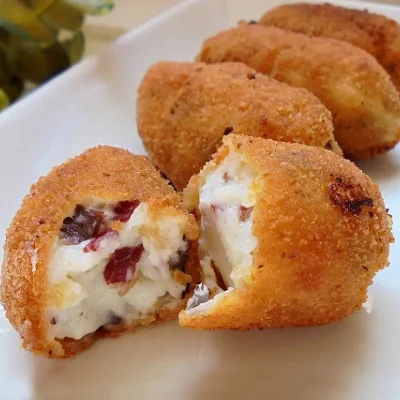
Cecina Halal croquettes a delicious spanish taste. The key to ensuring these croquettes are Halal...
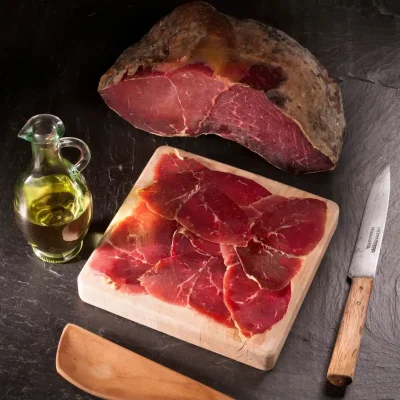
Hey everyone! If you’re like me, a foodie with a deep respect for cultural traditions...

Hidden in the northern heart of Spain, surrounded by mountains and steeped in centuries of...
